What Are Idle Games?
Idle games, also known as **incremental games** or clicker games, focus on gradual progression with minimal player interaction. You’ve probably seen one before — it’s that app where characters keep earning gold or crafting items even when you're not actively playing. The core mechanic? Time does the work. Players set up systems — like hiring workers or upgrading generators — and return later to harvest rewards. It's oddly satisfying. Think of games like Cookie Clicker or Adventure Capitalist. These titles thrive on exponential growth curves and the joy of watching numbers inflate.
They don’t demand precision or fast reflexes. No twitch-based controls here. Instead, they appeal to our love for **slow accumulation** and compounding returns. It’s not about mastery of mechanics — it’s about delegation and patience. The “game" part often blurs with automation.
The Allure of Sandbox Games
Sandbox games stand on the other side of the spectrum. **Sandbox games prioritize freedom**. They offer a playground, not a checklist. Minecraft is the go-to example. There's no single goal. You explore, build, destroy, create, and improvise. It’s player-driven storytelling in its purest form. These games don’t just give you tools — they hand you the world.
While many assume sandbox equals creativity, the reality is broader. Titles like Red Dead Redemption 2 or GTA V qualify too — they simulate worlds where you *can* follow the plot but aren’t forced to. The term itself hints at play: like a child in a sandbox, shaping the landscape freely. No strict objectives. Just possibility.
Contrasting Core Philosophies

At their heart, idle and sandbox games represent opposing visions of gameplay. Idle games are about detachment. The more you *don't* interact, the better. The reward lies in **delayed gratification**, often measured in days, not minutes. In contrast, sandbox titles demand attention — engagement is key.
One pulls you back with alerts and bonuses (check in now, collect x5!); the other traps you in emergent moments you couldn’t plan for — like accidentally igniting a forest while chasing chickens in Valheim. These aren’t flaws. They’re design intents.
Design Structure: Automation vs Exploration
- Idle games lean on systems over spontaneity — automated farms, invisible income, upgrade trees.
- Sandbox games emphasize real-time decisions and unpredictable outcomes — weather systems, physics, creature AI.
The architecture is fundamentally different. An idle game might feature 20 identical factories because it's about statistical progression. A sandbox game limits such repetition because **realism or immersion** usually wins over math.
User Engagement Over Time
Player retention differs greatly. Idle games exploit habit loops. Log in, collect resources, maybe adjust a strategy, leave. This fits into short downtime — during commutes, waiting in lines. Their strength is accessibility across low-engagement gaps.
Sandbox games, however, ask for time blocks. You don’t craft a castle in ten seconds. You plan it. Mine resources. Design aesthetics. And when it collapses due to bad foundation? That’s a lesson learned. These aren't bite-sized — they’re binges.
Economic Models Behind the Screens
| Feature | Idle Games | Sandbox Games |
|---|---|---|
| Monetization Strategy | In-app purchases, ad watches | Premium pricing, cosmetics |
| Player Time Commitment | Low-per-session, high-frequency | High-per-session, irregular |
| Progression Curve | Exponential growth | Gradual mastery |
| Design Focus | Resource efficiency, stats | Immersion, interactivity |
Both make money, but their paths diverge. Idle games rely on volume and habit; sandbox titles on dedication and brand loyalty. A user buys 20 energy refills across a week versus someone investing 80 hours in a modded Minecraft server. Different value chains.
Mechanical Freedom vs Passive Control
In sandbox environments, control is visible. If I dig underground, light matters. Tools wear. Hunger creeps in. Systems **interact dynamically** — something idle titles rarely attempt.
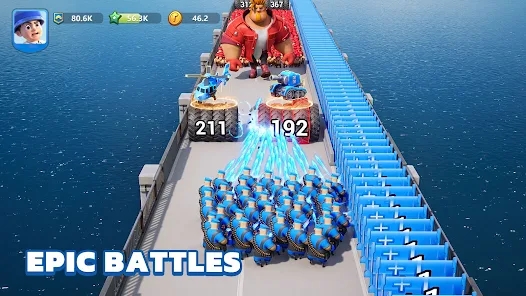
But idle games grant control too, just abstracted. The player doesn’t swing the hammer; they decide which building produces hammers faster. Efficiency reigns supreme. It’s management theater.
This isn't lesser — just different. It caters to players overwhelmed by choice, offering **structured autonomy**.
Multigenre Influences and Overlaps
The lines blur. Some idle titles borrow from sandbox aesthetics. Imagine a space-themed idle sim where you build bases on different planets. The art looks sandboxy, but underneath? Number crunching. Likewise, some sandbox games adopt idle features — NPC merchants that earn coins while you’re gone.
No genre lives in a bubble. Even pure idle experiences now integrate **light crafting or pet systems** — elements rooted in RPGs or exploration genres.
RPG Elements in Retro Platforms
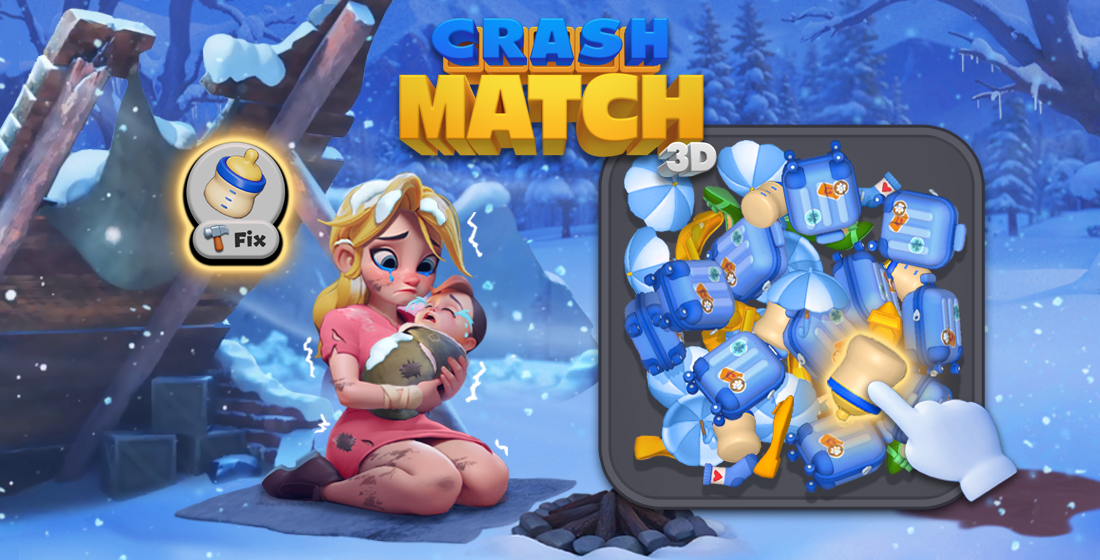
Ever tried playing Baldur’s Gate: Dark Alliance on a Game Boy Advance? How about Pokemon Mystery Dungeon? These are **RPG games GameBoy Advance** favorites. They blend story, stats, and level systems in portable form. But notice something — they don’t fit perfectly into either idle or sandbox categories.
Retro handheld RPGs are mission-oriented with branching choices, limited inventory management, and linear progression. Compared to idle or open-sandboxes, they sit in the middle — not fully automated, not infinitely open.
The Case of MW2 Private Match Crashing
Trouble with **MW2 private match crashing**? You're not alone. Players on both console and PC report crashes during custom setups. While it seems unrelated to idle or sandbox games, this issue underlines a key theme — **game infrastructure stability affects all types**. Whether you’re casually clicking in an idle app or building a squad in MW2, performance gaps ruin the loop.
Causes include: outdated drivers, corrupted cache, mismatched mods, or platform server lag. Fixing often requires rebooting routers, verifying files, or lowering settings. It’s technical, sure — but it’s also about respecting user time, especially in sandbox modes where sessions run long.
Niche Mechanics and Player Expectations
Modern gamers aren’t monolithic. Some love micromanaging stock markets in an idle tycoon sim. Others hate any hint of automation, seeking *pure* sandbox immersion where every leaf can be moved. Expectations shape experiences.

The idle audience tolerates repetition. In fact, they expect it. Repetition leads to breakthroughs — unlocking a 10x bonus after seven real-life days. But in a sandbox? Repeating the same sequence often indicates flawed design.
Understanding audience DNA is critical. Developers can’t just make *a* game — they must ask: who for?
Community Culture and Modding Trends
Sandbox games often boast vibrant mod communities. Platforms like Steam Workshop allow **custom scripts, textures, mechanics**. You can play Skyrim as a space marine with jetpack mods. This culture rarely flourishes in idle titles — they’re usually too small, mobile, or tightly coded.
Mods keep sandbox worlds alive for years. Meanwhile, idle games evolve through developer patches — adding new tiers, rebalancing, seasonal events. Their life comes from the top down, not sideways.
Accessibility and Platform Reach
Idle games dominate app stores. They’re cheap, easy to port, and function offline. You don’t need great hardware. A five-year-old phone? Likely enough. That democratizes access — especially relevant in **Denmark’s digitally-inclusive landscape**, where public transit and Wi-Fi enable casual play.
Sandbox titles require beefier rigs — more RAM, better GPUs. Streaming helps, but latency can ruin precision actions. Their accessibility is growing, but still limited compared to the tap-and-wait model.
Key Takeaways

So, why does this comparison matter?
- Engagement models are not interchangeable. You can’t make a Minecraft-style passive income loop work without breaking immersion.
- Audience intent dictates success. Someone grinding levels overnight needs different UX than a creative builder.
- Performance gaps affect trust. Crashes in MW2 private match crashing situations erode confidence, no matter the genre.
- Blurred lines aren't flaws — they're evolution. Hybrids like idle-sandbox or RPG-platform are pushing boundaries.
Conclusion
Understanding **idle games** versus **sandbox games** isn't about ranking one above the other. It's about recognizing intent, audience, and mechanism. Idle titles excel at passive progress and number-watching; sandboxes thrive on freedom and reactive systems. Both are legitimate, satisfying, and deeply human ways to play.
The inclusion of niche phrases like RPG games GameBoy Advance shows how gaming culture pulls from all corners — even handhelds from the early 2000s influence modern UX thinking. Meanwhile, ongoing issues like mw2 private match crashing serve as reminders: no matter how free or automated a game claims to be, the underlying tech must hold firm.
For Danish players — known for high digital literacy and diverse play habits — this spectrum offers room for both quiet tap sessions and intense creative sessions. Neither is "better." Both matter. And in understanding their differences, we become not just better players, but sharper critics of what games can be.