
Exploring the Freedom: The Evolution of Open World Adventure Games
Introduction to Open World Games
Open world games have transformed the gaming landscape, redefining how players experience virtual environments. They offer expansive worlds filled with adventures waiting to unfold. This article delves into the evolution of these games, highlighting the key milestones that shaped the genre.
What are Open World Games?

At their core, open world games provide players with an open environment, allowing for non-linear gameplay. Unlike traditional linear games, players are not confined to a set path. Instead, they can explore at their own pace, discovering various quests and challenges along the way. This freedom is a significant draw for gamers, enhancing the immersive experience.
Key Characteristics of Open World Games
- Exploration: Players can navigate vast landscapes filled with diverse terrains.
- Non-linear Gameplay: Freedom to choose how to approach challenges.
- Dynamic Environments: Worlds that change based on player actions.
- Rich Storytelling: Narrative that responds to player choices.
The Rise of Adventure Games
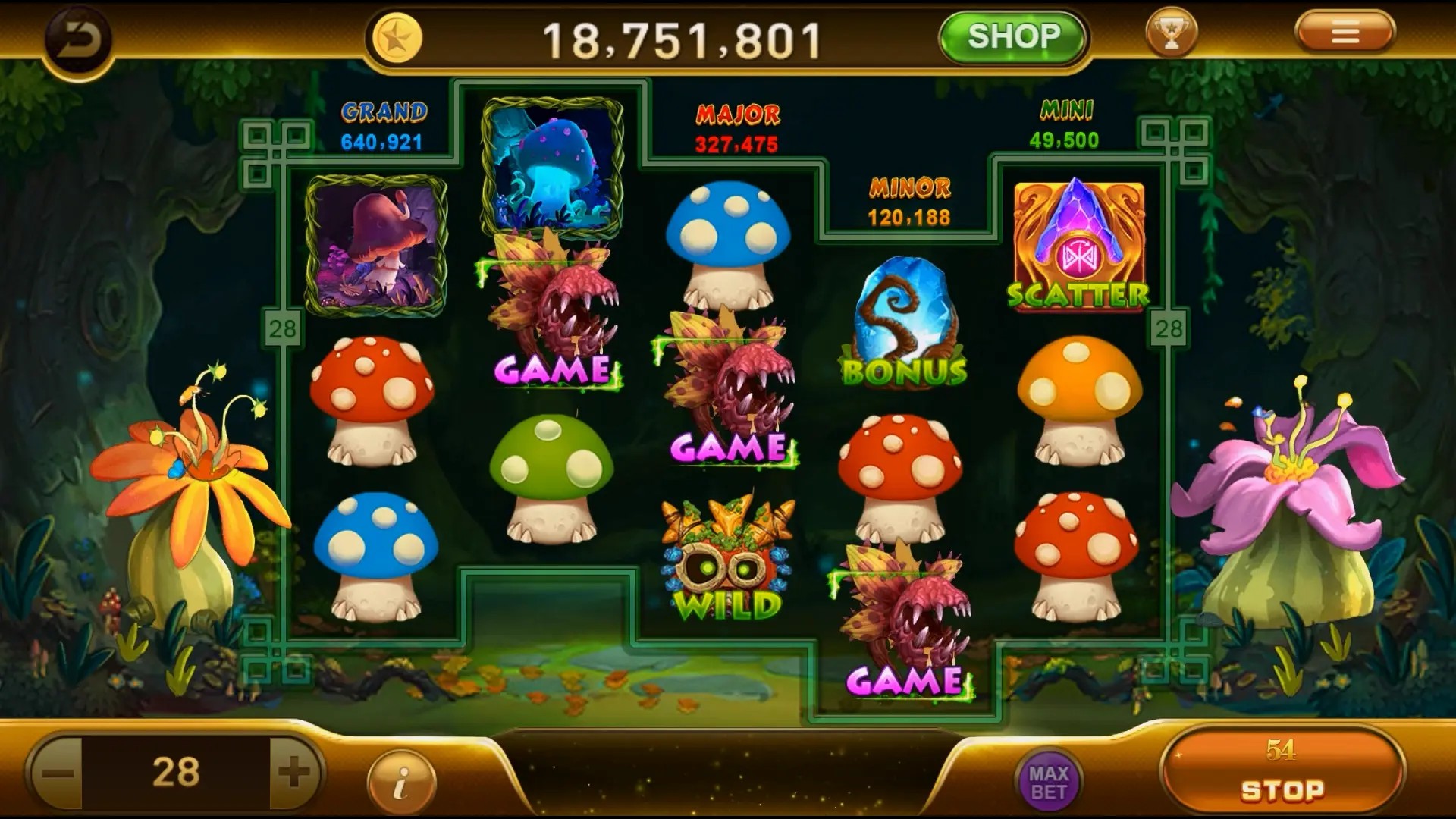
Adventure games have always attracted players with their story-driven content. From simple point-and-click adventures to complex narratives involving intricate puzzles, they laid the groundwork for open world formats. Early titles paved the way for the rich, expansive worlds we see today.
Notable Early Adventure Games
| Game Title | Release Year | Key Features |
|---|---|---|
| King's Quest | 1983 | Exploration and puzzle-solving |
| The Legend of Zelda | 1986 | Open exploration with dungeon challenges |
Advancements in Technology and Game Design

As technology progressed, so did the potential for open world experiences. The leap from 2D to 3D graphics enhanced immersion, and advancements in AI led to more dynamic gameplay mechanics.
The Impact of Game Engines

Modern game engines like Unreal Engine and Unity have revolutionized the creation of open world games. These tools provide developers with the means to craft rich, detailed environments that players can explore without restrictions.
Modern Examples of Open World Adventure Games

Today's gaming catalog is filled with open world adventure gems that offer unparalleled freedom. Let's explore some noteworthy titles.
- The Witcher 3: Wild Hunt: A narrative-driven RPG set in a sprawling fantasy world.
- Breath of the Wild: A revolutionary take on exploration with physics-based interactions.
- Red Dead Redemption 2: A rich, detailed open-world set in the American Wild West.
Open World Games vs. Traditional Adventure Games

While traditional adventure games focus on storytelling and character development, open world games allow players to choose their path. This difference caters to varied player preferences, creating a diverse gaming atmosphere.
Comparative Analysis
| Aspect | Open World Games | Traditional Adventure Games |
|---|---|---|
| Gameplay Style | Non-linear | Linear |
| Exploration | Extensive | Limited |
| Player Choice | High | Moderate |
The Role of Sandboxes in Open World Adventure Games

Sandbox elements have become a staple in open world games. They allow players to manipulate the environment, building and creating their own adventures. This enhances the gameplay experience but can also introduce complexity in game design.
Popular Sandbox Features
- Building mechanics
- Crafting systems
- Player-driven economies
The Emergence of Computer RPG Games

Computer RPG games have integrated characteristics of open world adventures, facilitating deeper engagement with characters and narratives. This blend has led to compelling gameplay experiences that honor the nuances of storytelling.
Significant Computer RPG Titles
- Final Fantasy XV: Expansive world with real-time combat.
- Elder Scrolls V: Skyrim: A massive realm filled with quests and exploration.
Challenges in Designing Open World Games

Creating an open world environment is not without its challenges. Developers must balance the vastness of the world with engaging content. The following factors come into play:
- Content Density
- Performance Optimization
- Player Engagement
Future Trends in Open World Adventure Games
Looking ahead, the future of open world adventure games is bright. Innovations in AI, graphics, and online connectivity will likely lead to even more engaging experiences. The potential for immersive multiplayer interactions offers exciting opportunities for expansion.
Anticipated Developments
- Virtual reality integration
- Procedural content generation
- Enhanced environmental storytelling
Conclusion

In conclusion, the evolution of open world adventure games has reshaped the gaming landscape. From their humble beginnings to the intricate worlds we explore today, these games offer unparalleled freedom and engagement. As technology continues to advance, players can look forward to ever more captivating experiences in the realms of imagination.
FAQs
What defines an open world game?
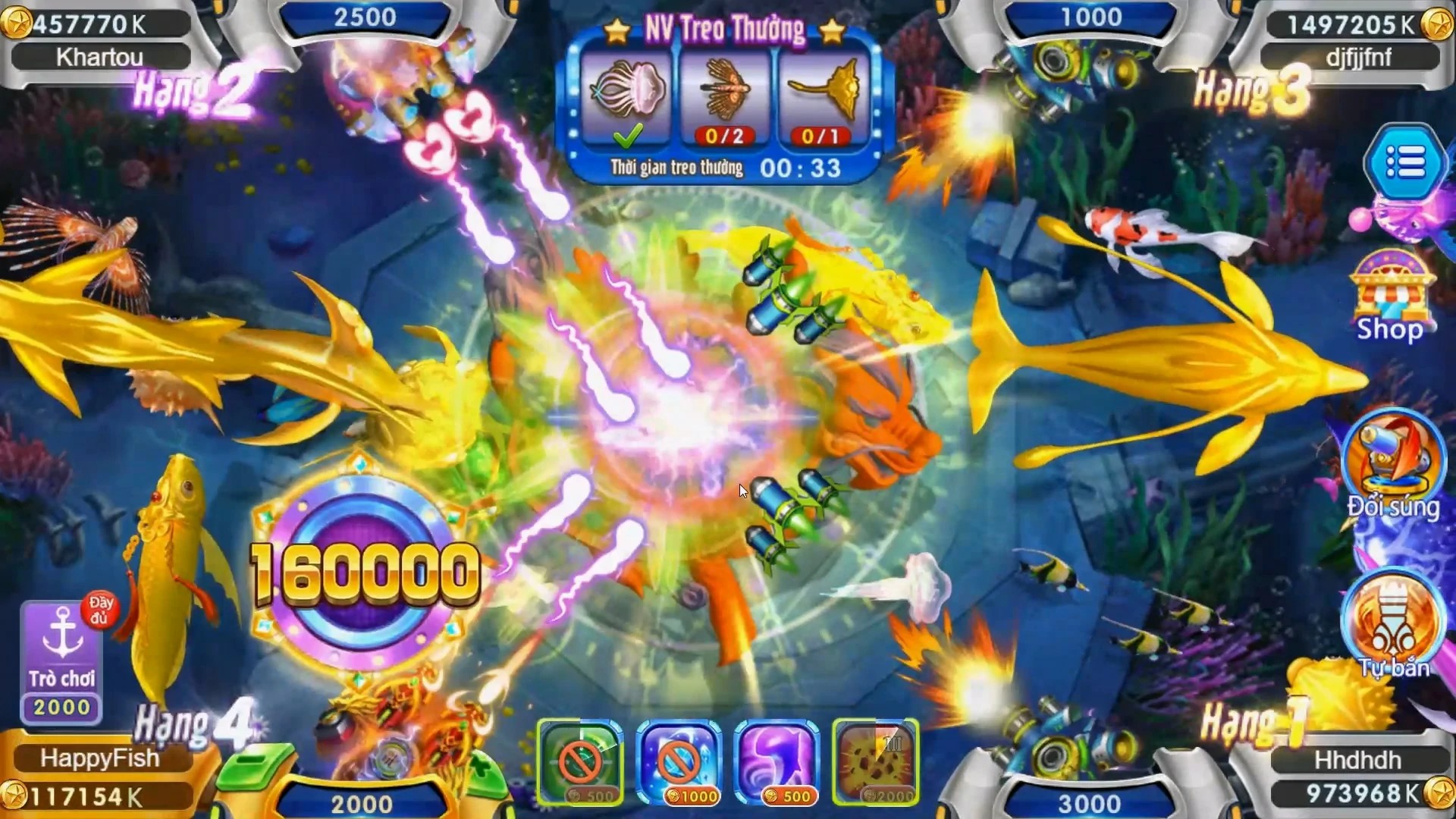
An open world game is characterized by free exploration and non-linear gameplay, allowing players to choose their paths and quests.
Are adventure games still popular?

Yes, adventure games remain popular, especially those incorporating open world elements, as they enhance, rather than limit, player engagement.
What’s the difference between RPGs and open world games?
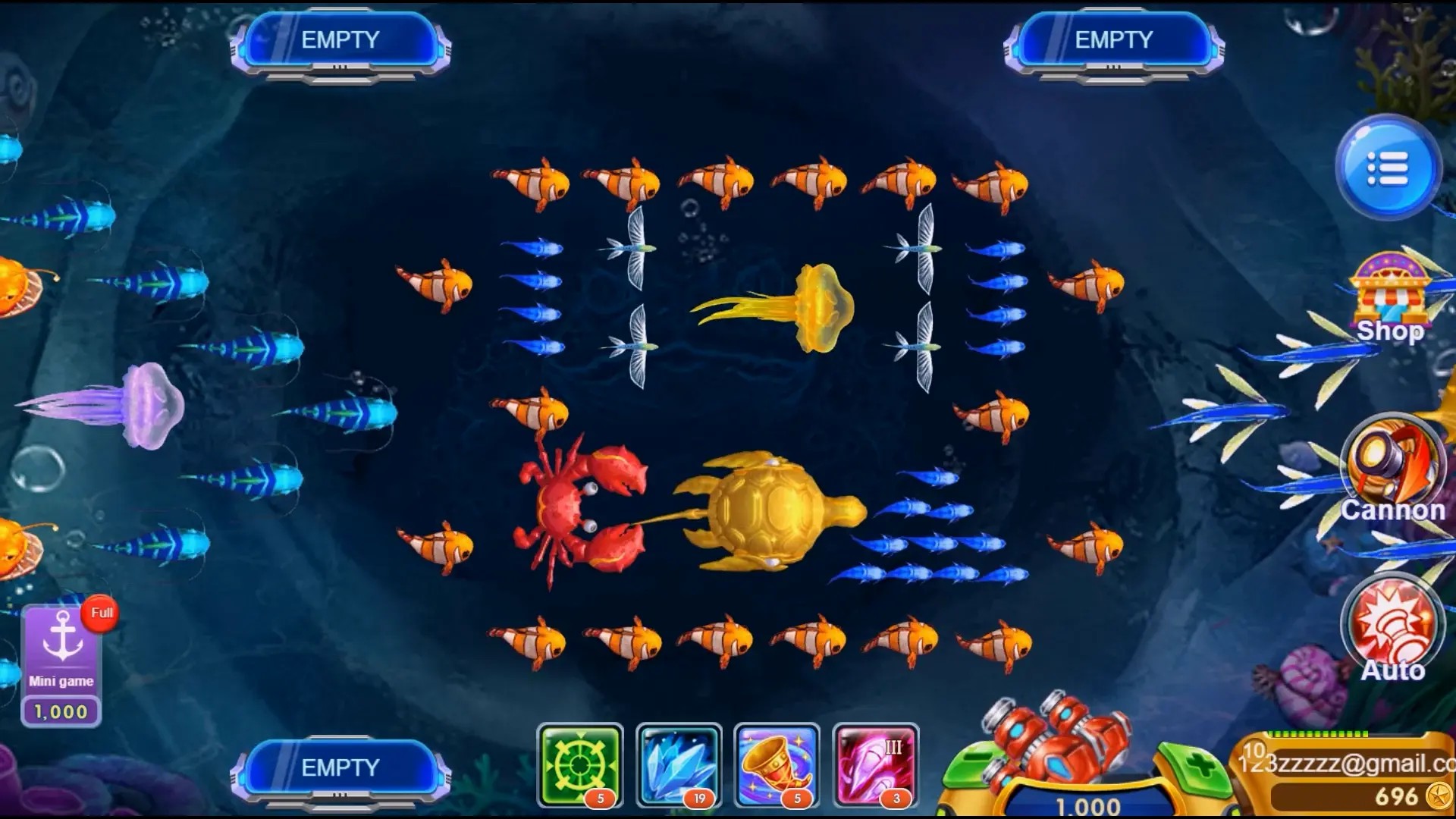
RPGs often focus on character development and storytelling, while open world games emphasize exploration within expansive environments.
How do game engines contribute to open world games?

Game engines provide essential tools and frameworks for developing complex, detailed environments that define the open world experience.